Water stains creeping across your home’s ceilings, walls, or foundation can be alarming. These unsightly marks aren’t just an aesthetic concern—they often signal deeper structural or moisture damage issues. For many homeowners, the immediate question becomes: Where is this water coming from? Surprisingly often, the culprit isn’t an interior leak or plumbing mishap but a neglected or malfunctioning gutter system. Understanding how your gutters influence water flow and protect your home’s exterior is critical to stopping stains before they turn into costly repairs.
The Silent Threat of Water Stains
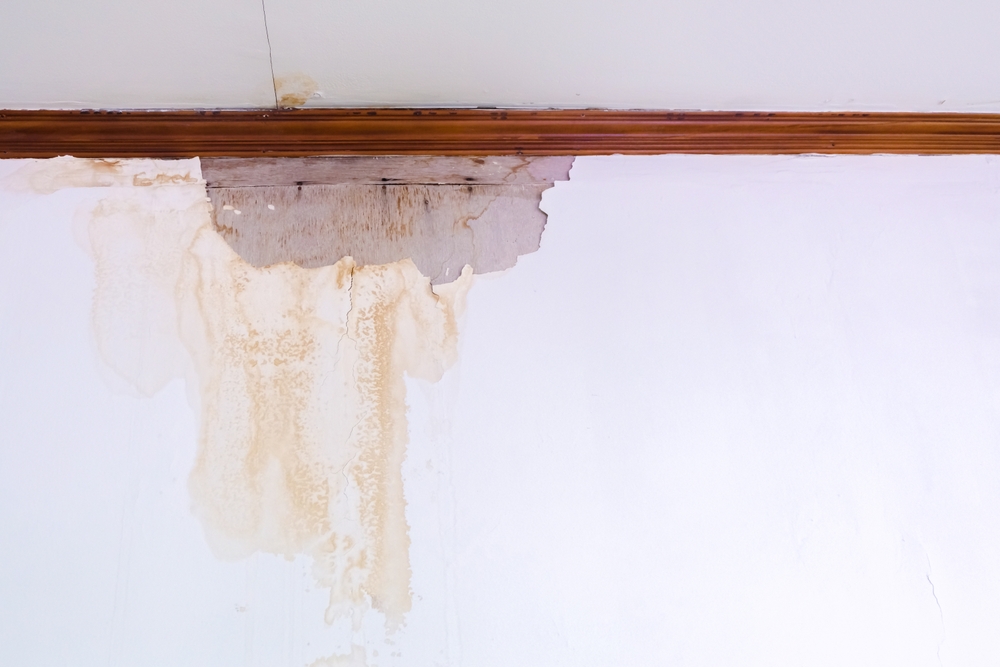
Water stains typically begin as subtle discoloration—yellowish, brown, or even gray—on ceilings or high up on walls. They can appear inside the home or along the outer siding, under eaves, or around window and door frames. Initially, these marks may seem minor, but they often point to significant and ongoing moisture damage.
Moisture infiltrates the home when water isn’t being properly diverted away from the roofline and foundation. This not only risks cosmetic damage but can compromise structural integrity over time. The source is often traced back to one of the most overlooked components of home maintenance: the gutter system.
When gutters function as intended, they channel rainwater and melting snow away from the roof, walls, and foundation. But when they’re clogged, sagging, improperly installed, or damaged, water can pool or overflow in ways that direct moisture back toward the home. Over time, that excess moisture seeps into places it shouldn’t be, leaving behind telltale stains and paving the way for rot, mold, and foundational erosion.
How Gutters Affect Your Home Exterior
Your home’s exterior is the first line of defense against the elements, and gutters are a crucial part of that defense. During a rainstorm, hundreds of gallons of water can cascade down your roof. Without gutters, or with ineffective ones, all that water hits the ground close to your foundation. Worse, it can stream down siding, splash onto windows, and seep behind trim or under roofing materials.
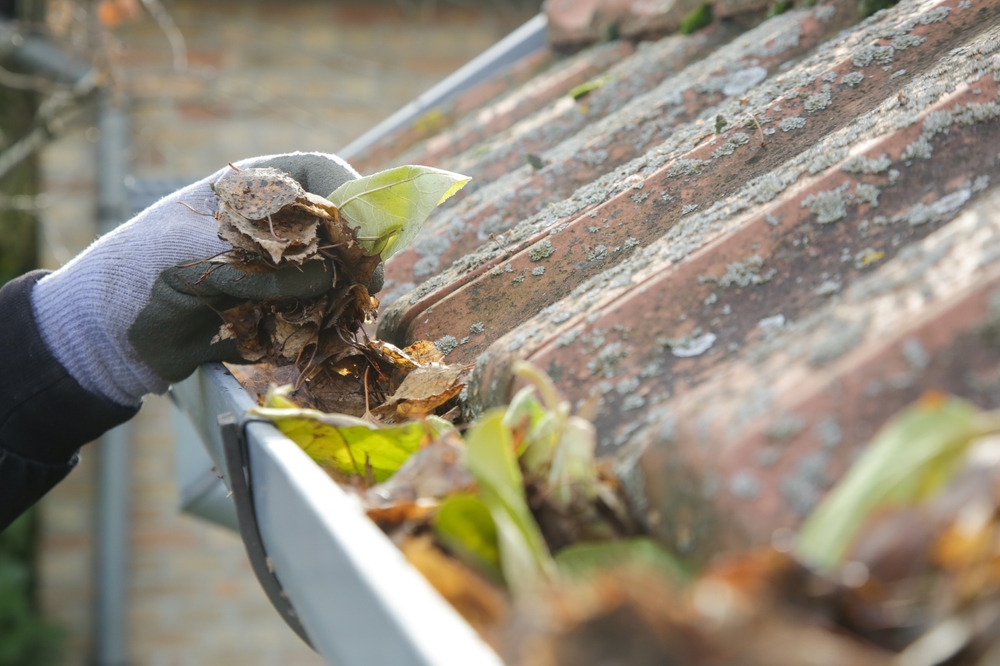
When gutters clog with leaves, pine needles, asphalt granules, or other debris, the water has nowhere to go. Overflowing gutters cause rainwater to spill over the sides instead of flowing into downspouts. This often results in streaking water stains along the siding or stucco, particularly beneath roof valleys or gutter joints.
In colder climates, poor drainage leads to ice dams—thick ridges of ice that form at the roof’s edge and trap melting snow. The water that gets backed up behind these ice dams can lift shingles and leak into attics, leading to both interior and exterior stains.
Additionally, if your gutter system is misaligned or sloped improperly, water may not drain efficiently. This stagnant water not only causes rust or sagging in the gutters themselves but also creates overflow points that direct moisture against the home instead of away from it.
Common Signs of Gutter-Related Moisture Damage
If you’ve spotted water stains and suspect your gutters might be to blame, look for these associated red flags around your property. Streaks or discoloration on the siding below the roofline often indicate overflowing gutters. Paint peeling or bubbling around windows and doors may suggest water is not being properly diverted, and the moisture is entering from above.
You might also notice soil erosion or pooling water near your home’s foundation after heavy rain. This is a sign that downspouts are either missing extensions or aren’t directing water far enough away from the house. Over time, this constant saturation can lead to basement leaks, cracks in the foundation, or mold growth in lower levels.
In the attic or upper floors, ceiling stains that form in irregular shapes and seem to spread after storms could be traced back to roofline leaks caused by ice damming or gutter backflow. A musty smell, especially in corners or near vents, is another hint that moisture is entering the home.
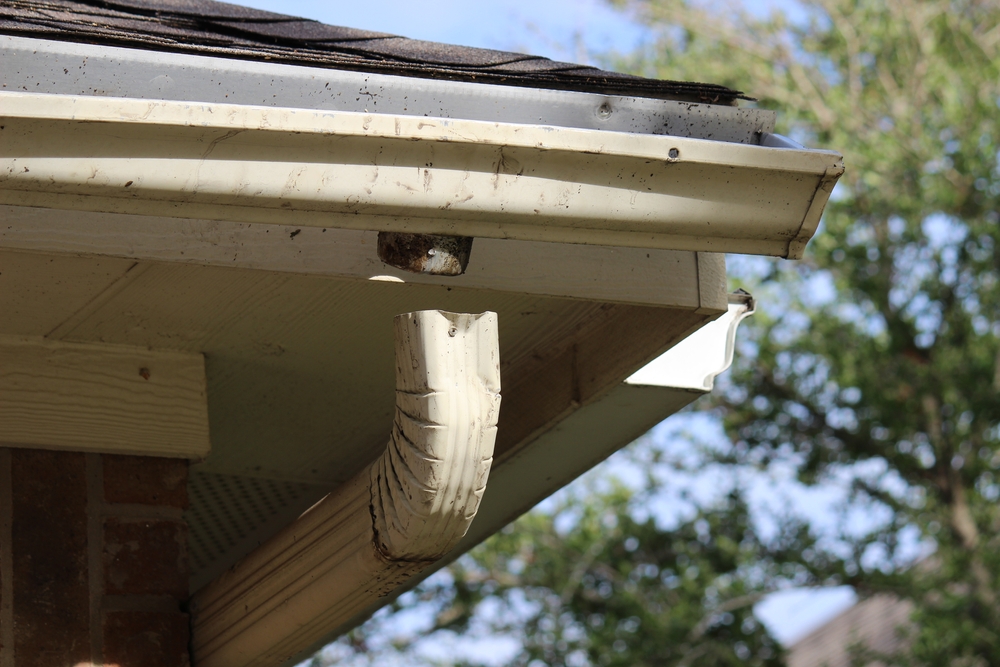
Even the gutters themselves can show signs of distress—separating from the fascia, showing visible rust or corrosion, or sagging under the weight of standing water and debris. These are all indicators that the system is compromised and needs attention.
Prevention and Maintenance to Avoid Future Stains
Preventing water stains from forming in the first place starts with proactive gutter care. Routine cleaning is essential—at least twice a year, and more often if your home is near trees that shed leaves or pine needles. Remove debris, check for blockages, and flush downspouts with water to ensure smooth flow.
Inspect gutters regularly for signs of wear. Tighten any loose hangers, reseal seams that are dripping, and check that the pitch is correct—gutters should slope slightly toward the downspouts, about a quarter-inch every 10 feet. If you see standing water even after light rain, there may be a slope issue that needs adjusting.
Install gutter guards if clogs are a recurring issue. These mesh or solid covers prevent large debris from entering the gutters while still allowing water to flow through. While not foolproof, they significantly reduce maintenance and help maintain consistent drainage.
Downspouts should extend at least 4 to 6 feet from the house. If necessary, add splash blocks or extenders to direct water even farther. For homes with underground drainage systems, verify that these lines are clear and not causing backups.
Also consider the condition of your roof and eaves. Ensure that flashing is intact, roof edges are properly sealed, and soffits and fascia show no signs of rot or mold. These components work in tandem with gutters to protect your home exterior from water intrusion.
When to Call in the Professionals
While basic gutter cleaning and inspection can often be handled by homeowners, persistent or severe water stains may require a more thorough assessment by professionals. Roofing contractors or home inspectors can determine whether stains are caused by gutter issues, flashing problems, roof leaks, or another structural concern.
If your home has experienced repeated moisture damage despite regular gutter maintenance, it may be time to upgrade your system entirely. Older gutters made from thin aluminum or vinyl may be more prone to warping, separating, or leaking. Upgrading to seamless metal gutters or installing a custom drainage system may offer longer-term protection.
Professionals can also use infrared scanning tools to identify hidden moisture behind walls or under roofs, allowing for targeted repairs before major damage occurs. If mold is present, remediation experts can remove it safely while addressing the source of the water intrusion.
Ultimately, the cost of addressing gutter issues early is far lower than repairing widespread moisture damage later. Water stains are your home’s way of sending a warning signal—don’t ignore it.
Conclusion
Gutters are one of the most vital yet overlooked parts of your home’s exterior. They quietly direct thousands of gallons of water away from vulnerable surfaces and structures. When they fail—through clogging, aging, or improper installation—the consequences often appear as water stains that mar the beauty and stability of your home.
By understanding the link between your gutters and moisture damage, maintaining your drainage system diligently, and acting quickly at the first sign of staining, you can protect your investment and avoid costly repairs. The next time you see a suspicious mark on your ceiling or wall, don’t just paint over it. Look up—and see if your gutters are trying to tell you something.
Need a Roofing Company Near You?
Here at Bash Exteriors, we offer comprehensive roofing services, including new roof installation, repairs, and expert residential and commercial roofing solutions. With decades of experience in insurance claims, our team of adjusters will guide you through the process with ease. We also provide top-notch siding and gutter services, specializing in installation, repair, and maintenance for both residential and commercial properties. Trust Bash Exteriors for all your exterior improvement needs; contact us today!
Homeownership comes with a slew of responsibilities, many of which revolve around regular maintenance to avoid costly repairs in the future. One often overlooked area is the gutter system—a humble but critical component of a home’s infrastructure. In Wentzville, Missouri, with its mix of seasonal storms and temperature fluctuations, neglecting your gutters can quickly escalate into major problems. The consequences of gutter neglect extend far beyond a few puddles near the foundation. From water damage risks to steep home repair costs, ignoring these problems can jeopardize both your home’s structural integrity and your financial well-being. This article explores how failing to maintain your gutters leads to long-term repercussions and why early intervention is essential.
The Role of Gutters in Home Protection
Gutters are designed to channel rainwater and melted snow away from your home’s foundation, walls, and roof. In areas like Wentzville, where weather can be unpredictable and rainfall substantial during spring and summer, this function becomes even more critical. Properly maintained gutters prevent water from seeping into the basement, eroding the landscape, or staining the siding.
When gutters are clogged with debris like leaves, twigs, and dirt, they become inefficient. Water begins to overflow rather than being redirected. Over time, this overflow can compromise your home’s integrity. Cracks in the foundation, mold in the basement, and warped siding are just some of the problems that stem from poor drainage. In essence, gutters serve as your home’s first line of defense against water-related threats. Ignoring them invites a chain reaction of avoidable issues, especially in climates like that of Wentzville where seasonal maintenance should be routine.
The Domino Effect of Gutter Neglect
The most immediate and visible consequence of gutter neglect is water spillage. When gutters are clogged or damaged, they overflow, creating water pools around the foundation. These seemingly harmless puddles can slowly erode the soil and penetrate foundational cracks. Left unchecked, this leads to water intrusion into the basement, which can bring mold, mildew, and even structural instability.
But it doesn’t stop there. Overflowing gutters often cause fascia boards to rot, as the moisture continually seeps into the wood. This rotting weakens your roof’s edge and can even cause parts of the gutter to detach. Over time, shingles may become compromised, and roof leaks become a new source of concern.
Interior damage is another cascading result of poor gutter maintenance. Water from clogged gutters may find its way behind the siding or into the attic, damaging insulation and drywall. Once mold sets in, homeowners face not only expensive repairs but potential health risks as well. The long-term impact of mold and mildew can lower a home’s air quality, triggering respiratory issues and allergies, particularly in children and the elderly.
Even your landscaping isn’t safe. Improper drainage can wash away mulch, drown flowerbeds, and leave trenches along your yard. These damages affect your home’s curb appeal and resale value, turning a small maintenance task into a multifaceted headache. The domino effect of gutter neglect is real, and the longer the problem persists, the more interconnected the damage becomes.
Water Damage Risks: The Invisible Menace
Water damage is often called the “silent destroyer” because it can occur gradually and go unnoticed until it becomes extensive. Gutters that aren’t functioning properly significantly increase the risk of water damage in your home. Wentzville homeowners must be particularly vigilant, as the area frequently experiences seasonal thunderstorms and occasional freezing conditions, both of which heighten the threat.
One major water damage risk involves the foundation. When gutters fail, water is allowed to collect near the house’s base. Over time, this persistent moisture can cause the soil to shift, creating cracks in the foundation and basement walls. These cracks don’t just pose structural problems—they can allow even more water to seep in, creating a vicious cycle.
Additionally, frozen water in clogged gutters during winter can lead to ice dams. These form when melting snow has nowhere to go and refreezes at the edge of the roof. Ice dams not only increase the load on the roof but also force water under shingles, leading to ceiling leaks and damaged insulation.
Because water damage often occurs out of sight—in basements, inside walls, or in the attic—it can progress without any visible symptoms until the damage is severe. By the time the signs become evident, such as bubbling paint, musty odors, or warped floors, the cost of mitigation is significantly higher. This underscores why proactive gutter maintenance isn’t just recommended—it’s essential for minimizing water damage risks.
Skyrocketing Home Repair Costs from Gutter Problems
One of the most compelling arguments against gutter neglect is the financial toll it can take. What begins as a simple cleaning task can snowball into multiple repair bills if ignored. The average cost of replacing water-damaged drywall is several hundred dollars, and foundation repairs can easily run into the thousands. If mold remediation is required, that could mean an additional $2,000–$6,000 or more depending on the extent of the damage.
In Wentzville, the freeze-thaw cycle exacerbates these issues. Gutters that remain clogged during winter are prone to freezing, leading to bursts, cracks, or complete detachment. This may require not just a gutter replacement, but also siding, roof, and fascia repair. All of this adds up quickly.
Moreover, insurance often doesn’t cover damage that results from poor maintenance. If your insurer determines that a lack of regular gutter cleaning or upkeep contributed to the damage, you may be left to cover the full cost out-of-pocket. This makes the cost of regular gutter maintenance—a few hundred dollars annually—pale in comparison to the potential tens of thousands needed for restoration.
There’s also the long-term financial impact to consider. Homes with visible signs of water damage or exterior wear due to poor drainage are less attractive to buyers. This can drive down property value or lengthen the time it takes to sell your home. What could have been a minor seasonal chore turns into a major investment loss.
A Preventive Approach to Avoid Gutter Neglect Consequences
Fortunately, the adverse effects of gutter neglect are largely preventable with routine maintenance and early intervention. In a climate like Wentzville’s, where storms are frequent and seasons change dramatically, homeowners should inspect and clean their gutters at least twice a year—typically in the spring and fall. This removes accumulated debris and ensures that the system remains functional.
Beyond regular cleaning, installing gutter guards can also offer long-term benefits. These screens or covers help block leaves and debris while allowing water to flow freely, reducing the frequency of cleanings and preventing clog formation. Periodic inspections by a professional can also catch early signs of sagging, rusting, or detachment before they escalate.
In cases where gutter damage is already present, prompt repairs can mitigate downstream effects. Addressing small leaks or misalignments early costs a fraction of what you’ll pay if the problem leads to foundation or roof damage. Partnering with a reputable local contractor who understands Wentzville’s weather patterns and home construction styles ensures the work is done right and keeps your home protected year-round.
Taking a proactive approach also contributes to peace of mind. Knowing your gutters are in good shape and capable of handling heavy rain or melting snow lets you focus on other aspects of homeownership without worrying about hidden threats lurking above.
Conclusion
The cost of ignoring gutter problems in Wentzville goes far beyond surface-level inconvenience. From subtle water damage risks to severe structural failures and skyrocketing home repair costs, gutter neglect consequences are both varied and severe. Fortunately, with regular attention and maintenance, these problems can be easily avoided. Investing a small amount of time and money into gutter upkeep today can save you from major expenses and stress tomorrow. Don’t let the silent menace of poor drainage compromise your home’s safety, value, and comfort—act before it’s too late.
Need a Roofing Company Near You?
Here at Bash Exteriors, we offer comprehensive roofing services, including new roof installation, repairs, and expert residential and commercial roofing solutions. With decades of experience in insurance claims, our team of adjusters will guide you through the process with ease. We also provide top-notch siding and gutter services, specializing in installation, repair, and maintenance for both residential and commercial properties. Trust Bash Exteriors for all your exterior improvement needs; contact us today!
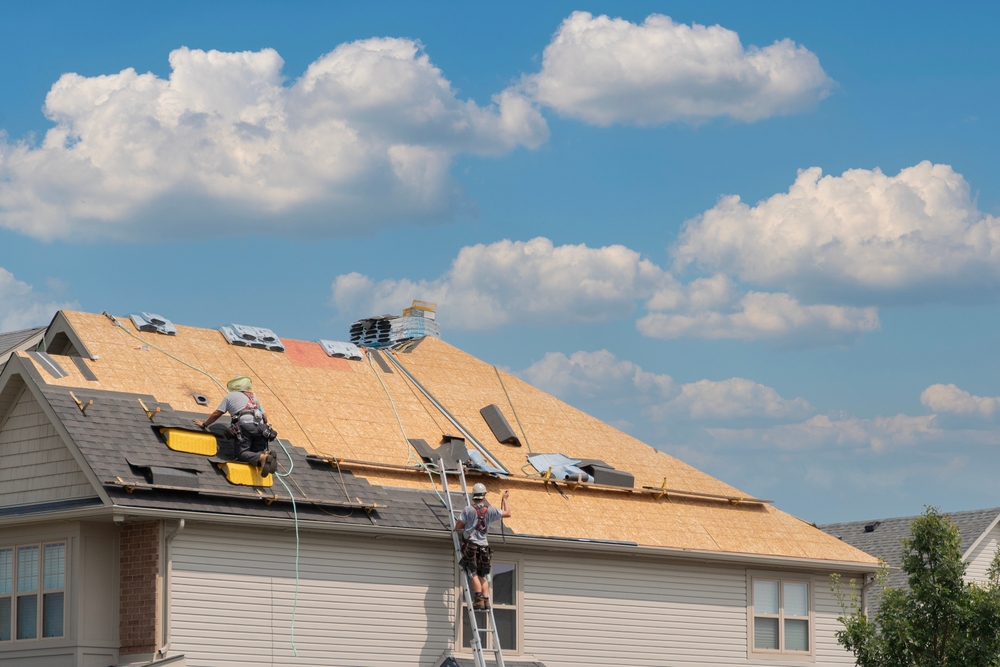
Roof installation is a major investment for any homeowner in Chesterfield, one that protects your house, boosts its curb appeal, and increases its overall value. Yet, the process can be riddled with pitfalls if you’re not careful. Chesterfield homeowners looking to undergo a new roof installation must navigate numerous decisions, from material selection to hiring the right contractor. Failing to manage these decisions properly can result in costly repairs, water damage, or even a complete roof replacement down the line. Below, we’ll explore the top five mistakes you absolutely must avoid to ensure your roofing project is done right the first time.
Choosing the Cheapest Contractor Without Research
One of the most common mistakes homeowners in Chesterfield make is choosing the cheapest contractor they can find without thoroughly researching their background. Understandably, roofing is a significant expense, and you might be tempted to save money by going with a lower bid. However, this approach can backfire catastrophically. Less reputable contractors often cut corners on both materials and workmanship. They may not have proper insurance or licensing, which leaves you financially responsible if something goes wrong on the job.
Additionally, cheap contractors often lack a solid track record or verifiable customer references. This increases the risk that your new roof installation will be subpar, potentially violating local building codes or manufacturer warranties. Before hiring, always check reviews, verify insurance, ask for references, and confirm their experience with projects similar to yours. Spending a bit more up front on a reputable, experienced roofer can save you thousands later on — and give you peace of mind knowing your roof is built to last.
Neglecting Proper Ventilation
Another major pitfall during a roof installation in Chesterfield is ignoring the importance of ventilation. Your roof is more than just shingles; it is an entire system that must breathe to function correctly. Poor attic ventilation leads to heat and moisture buildup, which can warp your roofing structure, cause mold growth, and drastically shorten the lifespan of your shingles.
Especially in Chesterfield, where seasonal temperature swings can be severe, proper ventilation helps regulate attic temperatures and prevents ice damming during the winter months. Homeowners sometimes assume that ventilation is an optional add-on, but it is an essential part of a new roof installation. When you plan your project, discuss intake and exhaust ventilation with your contractor to be sure it complies with current building codes and best practices. A well-ventilated roof will protect both your investment and your health by discouraging mold and mildew.
Overlooking Underlayment and Flashing
Homeowners often focus on the visible parts of their new roof — the color, the style, the durability of the shingles — and forget about what’s underneath. The underlayment and flashing are hidden heroes in any quality roof installation. Underlayment acts as a secondary water barrier, protecting your home if shingles fail, while flashing diverts water away from vulnerable areas such as chimneys, vents, and valleys.
Skipping proper underlayment or using cheap flashing materials is a serious mistake. Chesterfield’s weather includes heavy rains and the occasional snowstorm, so water resistance is vital. Inadequate underlayment can result in leaks that damage your insulation, ceilings, and even your home’s framing. Likewise, poorly installed or low-quality flashing can allow water to seep into your walls or attic. Always confirm with your contractor that they are using high-quality underlayment and properly installed flashing that meets the latest industry standards. These details might be out of sight, but they are critical to ensuring a reliable, long-lasting roof.
Ignoring Local Building Codes and Permits
A surprisingly frequent error in new roof installation projects in Chesterfield is disregarding local building codes and permit requirements. Some homeowners think skipping permits saves time and money, or that no one will notice. However, building codes exist for a reason: to protect the structural safety and integrity of your home.
If you ignore local rules and proceed without proper permits, you may face serious consequences later. For one, if an inspector discovers the violation, you could be fined or even forced to tear down the new roof and start over — a nightmare scenario. Additionally, unpermitted work may complicate insurance claims or create problems when you sell the house. Chesterfield has clear regulations about roofing materials, installation practices, and inspection requirements. Always work with a contractor who understands these rules and will handle the permitting process correctly. Cutting corners on compliance is simply not worth the risk.
Poor Timing and Seasonal Planning
The final mistake homeowners make when installing a new roof in Chesterfield is failing to consider the timing of their project. Weather in Chesterfield can be highly unpredictable, with summer thunderstorms and harsh winter ice. Scheduling a roof installation during the wrong season can create unnecessary delays, cost overruns, and safety hazards.
For instance, installing a new roof in the middle of winter might expose your attic to frigid air for longer than expected, or lead to adhesives failing to cure properly. Likewise, trying to complete a project during the rainy season increases the risk of water damage during the installation itself. The best time for a roof installation in Chesterfield is typically during mild, dry weather conditions, such as late spring or early fall. Working with a contractor who understands local weather patterns can help you plan a schedule that minimizes risk and ensures the highest quality result.
Conclusion
Installing a new roof in Chesterfield is an important investment that protects your home, enhances its appearance, and increases its long-term value. However, falling into common traps — such as hiring the cheapest contractor without checking credentials, neglecting ventilation, ignoring underlayment and flashing, skipping permits, or picking the wrong season — can undermine the entire project.
Roof installation is far more than simply nailing down new shingles. It is a system that requires careful planning, skilled craftsmanship, and adherence to best practices. Chesterfield homeowners who do their research, partner with reputable contractors, and pay attention to the complete roofing system will enjoy a durable, attractive, and worry-free roof for decades to come. By learning from these five critical mistakes, you can protect your home and your wallet — and ensure your new roof installation is something you’ll be proud of for many years ahead.
Need a Roofing Company Near You?
Here at Bash Exteriors, we offer comprehensive roofing services, including new roof installation, repairs, and expert residential and commercial roofing solutions. With decades of experience in insurance claims, our team of adjusters will guide you through the process with ease. We also provide top-notch siding and gutter services, specializing in installation, repair, and maintenance for both residential and commercial properties. Trust Bash Exteriors for all your exterior improvement needs; contact us today!
When the skies darken and severe weather looms on the horizon, your home becomes the first line of defense against nature’s fury. From torrential rains and fierce winds to hailstorms and hurricanes, these natural elements can cause significant damage to your property. In the aftermath, homeowners often find themselves navigating the complex and stressful process of filing insurance claims while trying to recover from emotional and financial stress. Being proactive with home maintenance and knowing how to handle a roofing insurance claim efficiently can make all the difference in simplifying recovery. This guide explores how to protect your home from storm damage and streamline the insurance process to minimize headaches and maximize coverage.
Building a Fortress: Proactive Home Maintenance Tips
Storm damage is unpredictable, but regular upkeep can significantly reduce your vulnerability. Implementing home maintenance tips focused on weather resilience can help fortify your home and potentially lower your insurance premiums. Start with routine inspections, especially before and after storm season. Check your roof for loose or missing shingles, examine gutters for clogs, and ensure downspouts are directing water away from your foundation. These simple yet effective measures can prevent water from seeping into your home, which is a common and costly form of storm damage.
Windows and doors should also be a priority. Look for cracks or gaps where wind and rain could penetrate. Installing storm shutters or impact-resistant windows in hurricane-prone areas provides extra security. Trees surrounding your property need regular trimming to prevent limbs from breaking off and damaging your roof or siding. A well-maintained yard is not only aesthetically pleasing but also an important line of defense against storm-related hazards.
Electrical and HVAC systems should be inspected annually. Ensuring that your electrical panel, sump pump, and heating and cooling units are in good working order can prevent secondary issues, such as fires or mold growth after a storm. Document your maintenance routines with photos and receipts; they not only help with home value assessments but can also support insurance claims later on.
The Calm Before the Storm: Preparing for Natural Disasters
Preparation is as much about mindset as it is about materials. When forecasters warn of impending storms, having an emergency plan can make a significant difference in your ability to respond effectively. Begin by creating a disaster kit that includes essentials such as non-perishable food, water, flashlights, batteries, first aid supplies, and critical documents like insurance papers and identification. Store this kit in a waterproof container in a location that’s easily accessible.
Safeguard important documents by making digital copies and storing them in the cloud. If you need to evacuate, having electronic access to your insurance policy and home inventory list will make it easier to initiate a claim remotely. Speaking of inventory, create a comprehensive list of your belongings with descriptions, values, and photographs. This is invaluable when filing for reimbursement.
If you have time before a storm hits, take last-minute precautions such as moving outdoor furniture indoors, securing loose items, and reinforcing vulnerable areas with sandbags or temporary covers. Close and lock all windows and doors to create a tighter seal against wind and rain. The more you prepare in advance, the less chaos you’ll face during and after the storm.
After the Storm: First Steps Toward Recovery
Once the storm has passed and it’s safe to go outside, your immediate focus should be safety and damage assessment. Before entering your home, check for visible structural damage, downed power lines, gas leaks, or flooding. If any of these are present, wait for emergency responders or professionals to declare it safe.
When you do enter your home, document all damage thoroughly. Take photos and videos of affected areas, and if possible, use timestamps. Don’t throw away damaged items until your insurance adjuster has had a chance to inspect them. Even minor items can add up to significant reimbursement. Keep receipts for any emergency repairs or temporary lodging.
Contact your insurance provider as soon as possible to report the claim. Most companies have a limited window for filing, so prompt action is crucial. Be ready to provide a detailed description of the damage, along with supporting documentation such as your home inventory and photographs. Keep a log of all interactions with the insurance company, including dates, names, and summaries of conversations.
Roofing Insurance Claim Assistance: A Critical Resource
Roof damage is one of the most common outcomes of severe storms. Whether it’s from high winds ripping off shingles or hail creating punctures, a compromised roof can lead to leaks, mold, and structural deterioration. This is where roofing insurance claim assistance becomes essential.
Navigating a roofing claim can be a daunting process. Many homeowners aren’t familiar with the nuances of policy coverage, which can lead to denied claims or insufficient settlements. Professional roofing contractors who specialize in insurance claims can provide critical help. They conduct thorough inspections, identify hidden damage that adjusters might overlook, and assist with the documentation needed to substantiate your claim.
These experts often work directly with insurance companies to ensure fair assessments. They can also provide repair or replacement estimates that reflect true market costs, helping you avoid lowball offers. Some even offer public adjuster services, acting as advocates who negotiate on your behalf. Their involvement can reduce the stress of dealing with paperwork and increase the chances of a satisfactory settlement.
When choosing a roofing contractor for insurance claim assistance, look for certifications, insurance, and a track record of working with insurance providers. Avoid storm-chasing contractors who appear after major events and may not offer quality work or long-term warranties. A reputable professional can be your most valuable ally during this critical time.
Long-Term Strategies: Building Resilience for the Future
Surviving a storm and navigating the insurance process is only part of the journey. The ultimate goal should be to build a more resilient home that can better withstand future events. One long-term strategy is investing in upgrades that go beyond basic repairs. Consider installing a fortified roof system designed to resist wind uplift, or upgrading to Class 4 impact-resistant shingles. These enhancements not only improve safety but can also qualify you for insurance discounts.
Reinforce your home’s structure by anchoring your roof to the walls and your walls to the foundation. This creates a continuous load path that helps the house resist uplift and lateral forces. Upgrade garage doors and entryways with reinforced materials to minimize breach points. Ventilation systems should be optimized to reduce pressure buildup during high winds, which can lead to roof failure.
Evaluate your insurance policy annually to ensure it reflects current rebuilding costs and includes coverage for additional living expenses if you’re displaced. Many policies also offer endorsements or riders for specific risks like flood damage, which standard homeowners insurance does not cover. Working with an independent insurance agent can help you compare options and choose a policy that offers the best protection for your region and home type.
Staying informed is another pillar of resilience. Sign up for local emergency alerts and weather notifications. Participate in community preparedness programs and understand your municipality’s evacuation routes and shelter options. The more you know, the better you can respond when disaster strikes.
Conclusion
Protecting your home and simplifying the insurance claim process begins long before a storm ever forms. By following practical home maintenance tips, preparing thoughtfully, acting decisively after the storm, and seeking roofing insurance claim assistance when needed, you can navigate these challenges with greater confidence and less disruption. Remember, resilience is not just about survival—it’s about the capacity to recover quickly and emerge stronger. Your home is your sanctuary, and with the right strategies, you can ensure it stands firm through every storm.
Need a Roofing Company in Wentzville, MO?
Here at Bash Exteriors, we offer comprehensive roofing services, including new roof installation, repairs, and expert residential and commercial roofing solutions. With decades of experience in insurance claims, our team of adjusters will guide you through the process with ease. We also provide top-notch siding and gutter services, specializing in installation, repair, and maintenance for both residential and commercial properties. Trust Bash Exteriors for all your exterior improvement needs; contact us today!
Owning a home in Wentzville, MO, is a dream for many, with its peaceful suburban lifestyle and proximity to St. Louis. However, like all homes, regular maintenance is essential to protect your investment and keep it looking beautiful. One often overlooked area of home upkeep is the exterior, particularly the siding and gutters. These components are your first line of defense against the elements, and neglecting them can lead to hidden costs that might surprise you. In this blog, we will explore the financial and structural consequences of siding neglect and clogged gutters and how failing to maintain these features of your home can impact your wallet and quality of life.
The Importance of Home Exterior Maintenance
When homeowners think of maintenance, they often focus on things like interior renovations, plumbing repairs, or lawn care. However, home exterior maintenance is just as important. Your siding and gutters play a vital role in protecting your home from the harsh weather conditions that can be especially severe in Wentzville, MO. This area experiences hot summers, cold winters, and a fair amount of rainfall throughout the year. The siding of your house serves as a barrier against moisture, pests, and temperature fluctuations. Gutters, on the other hand, channel rainwater away from your home’s foundation, preventing water damage and erosion.
Both siding and gutters are built to last, but like any part of your home, they require regular care and attention to perform their jobs effectively. Failing to maintain these systems can lead to gradual damage, resulting in costly repairs or even complete replacements. Keeping an eye on the condition of your siding and gutters can save you significant amounts of money in the long run, and ensure that your home remains structurally sound and aesthetically appealing.
The Dangers of Siding Neglect
Your home’s siding does more than just improve its appearance. It acts as a protective shield against the weather. Over time, however, the siding can become worn or damaged due to exposure to the elements. In Wentzville, where the summers can bring high humidity and the winters can introduce freezing temperatures, this exposure takes a toll on siding materials like wood, vinyl, and fiber cement. When siding begins to deteriorate, the hidden costs can escalate quickly.
One of the main risks of siding neglect is water infiltration. Damaged or cracked siding can allow moisture to seep behind the exterior walls of your home. This moisture can cause a number of issues, including mold growth, rotting wood, and damage to the underlying structure of the house. The longer the siding is left untreated, the more expensive the repairs will be. Additionally, if the damage becomes severe enough, you may need to replace large portions of the siding, which can be a costly endeavor. This is especially true if you have an older home with custom siding that may not be easily replaced or repaired.
Another hidden cost of siding neglect is the increase in your energy bills. When your siding is in poor condition, it becomes less effective at insulating your home. This means that your heating and cooling systems have to work harder to maintain a comfortable temperature inside your home, leading to higher energy consumption and increased utility bills. Keeping your siding in good condition helps to preserve the energy efficiency of your home, reducing the need for constant heating and cooling.
Gutters and the Risk of Water Damage
Your gutters play a critical role in protecting your home from water damage by directing rainwater away from the foundation. In Wentzville, where thunderstorms and heavy rains are common during the warmer months, gutters are particularly important for maintaining the structural integrity of your home. However, many homeowners forget to clean and inspect their gutters regularly, leading to clogs and damage that can have far-reaching consequences.
One of the most significant risks of clogged gutters is water overflow. When leaves, twigs, and other debris accumulate in your gutters, they can block the flow of water, causing it to spill over the sides and onto the ground around your home. Over time, this constant exposure to water can erode the soil near your foundation, causing it to settle unevenly. This settling can result in cracks in your foundation, which can lead to expensive foundation repairs. In extreme cases, the weight of the water can cause the foundation to shift, which could result in significant structural damage to your home.
Additionally, when water is not properly directed away from your home, it can seep into the walls and basement, causing further damage. Moisture in the basement can lead to mold growth and mildew, both of which can compromise your home’s air quality and require costly remediation. Furthermore, if the water is allowed to pool around the foundation, it can seep into the walls, causing drywall and insulation to deteriorate. Repairing this type of water damage is expensive and time-consuming, but it can often be avoided by maintaining your gutters.
The Financial Burden of Deferred Maintenance
The hidden costs of neglecting your home’s siding and gutters extend beyond just repairs. When these systems fail, they can lead to a range of other financial burdens that you might not immediately consider. For example, if water damage causes the need for mold remediation, this can quickly escalate into a major expense. Mold removal requires specialized equipment and often involves tearing out drywall, insulation, and flooring, which can cost thousands of dollars to fix.
In addition, siding neglect can lower the value of your home. If you’re looking to sell in the future, potential buyers will be wary of a property with worn or damaged siding. The appearance of your home’s exterior plays a major role in curb appeal, and an unkempt home can give the impression of poor maintenance, which could lower your selling price. In some cases, you may even need to lower the asking price to account for the cost of siding repairs or replacement, which can be a significant financial setback.
On top of that, neglecting siding and gutters can also result in higher insurance premiums. If your home is deemed high-risk due to water damage or structural concerns, your insurance company may increase your rates or even refuse coverage. Keeping up with regular maintenance can help mitigate these risks and ensure that you are not burdened with higher premiums or denied coverage altogether.
Protecting Your Home with Regular Inspections
The good news is that the costs of neglecting your home’s siding and gutters can be avoided with regular inspections and maintenance. For siding, this means checking for cracks, loose panels, or any other signs of damage, especially after extreme weather events. Regular cleaning and sealing of your siding can also help extend its lifespan and protect it from the elements.
For gutters, it’s important to clean them out at least twice a year—once in the spring and once in the fall. If you live in an area with many trees, you may need to clean them more frequently. During your inspection, make sure that the gutters are securely attached to your home and that downspouts are free of obstructions. Any signs of rust or damage should be addressed promptly to prevent further issues.
Investing in professional gutter cleaning or siding maintenance services can also be a wise decision, especially if you’re not comfortable performing the tasks yourself. A professional will have the tools and experience needed to spot issues early on, saving you money in the long run by preventing costly repairs.
Conclusion
Maintaining your home’s exterior is essential to its longevity and your financial well-being. By staying on top of siding and gutter maintenance in Wentzville, MO, you can avoid the hidden costs of neglect and ensure that your home remains safe, efficient, and beautiful for years to come.
Need a Roofing Company in Wentzville, MO?
Here at Bash Exteriors, we offer comprehensive roofing services, including new roof installation, repairs, and expert residential and commercial roofing solutions. With decades of experience in insurance claims, our team of adjusters will guide you through the process with ease. We also provide top-notch siding and gutter services, specializing in installation, repair, and maintenance for both residential and commercial properties. Trust Bash Exteriors for all your exterior improvement needs; contact us today!